

Why Anatomy and Physiology Matter in EMT Education
When many students begin EMT school, they expect to spend most of their time learning CPR techniques, practicing trauma assessments, and preparing for emergency scenarios. While these skills are undeniably important, one foundational subject often determines how successful students become in both the classroom and the field: anatomy and physiology.
At first glance, memorizing body systems and understanding how organs function may seem unrelated to emergency medicine. However, anatomy and physiology form the backbone of everything an Emergency Medical Technician does. Without this knowledge, it becomes much more difficult to recognize life-threatening conditions, understand why patients present certain symptoms, and provide effective care during emergencies.
If you're preparing for EMT school or currently enrolled in an EMT course, here's why anatomy and physiology deserve your attention.
Understanding the Difference Between Anatomy and Physiology

Before diving into their importance, it's helpful to understand what these subjects actually involve.
Anatomy is the study of the body's structure. It focuses on identifying body parts and understanding where organs, tissues, bones, muscles, and systems are located.
Physiology, on the other hand, examines how those structures function. It explores how the heart pumps blood, how the lungs exchange oxygen and carbon dioxide, and how the nervous system communicates throughout the body.
Together, anatomy and physiology provide a complete picture of how the human body works under normal conditions.
As an EMT, this knowledge helps you identify when something isn't functioning properly.
EMTs Treat Patients, Not Just Symptoms

One of the most important reasons anatomy and physiology matter is that EMTs must think beyond visible symptoms.
For example, chest pain could result from multiple conditions, including:
A heart attack
Pulmonary embolism
Acid reflux
Musculoskeletal injury
Anxiety or panic attacks
Understanding the anatomy of the cardiovascular and respiratory systems helps EMTs recognize which situations require immediate intervention.
Similarly, shortness of breath may involve the lungs, heart, airway, or even metabolic processes.
The better you understand the body, the better equipped you'll be to assess patients accurately.
Anatomy and Physiology Improve Patient Assessments
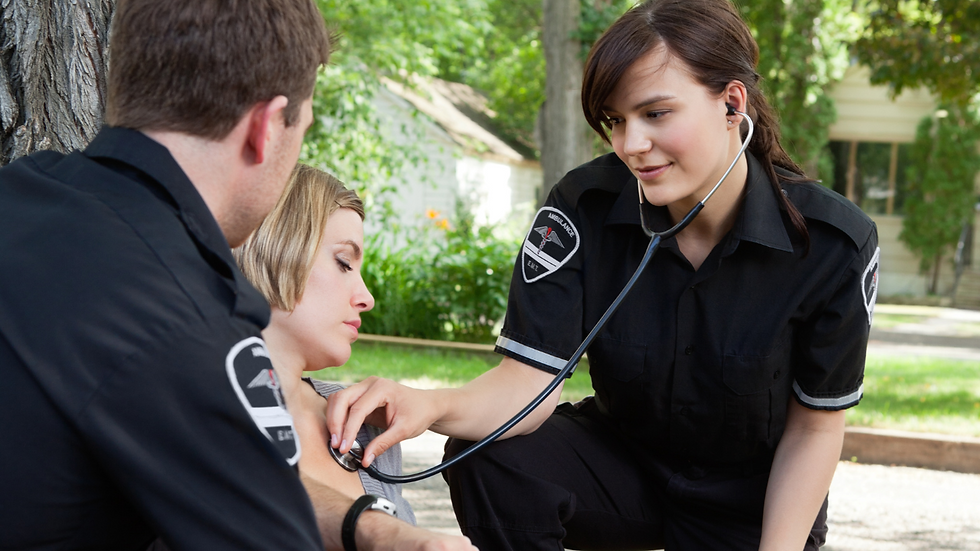
Patient assessment is one of the most critical skills taught in EMT school.
When evaluating a patient, EMTs gather information by observing, questioning, and performing physical examinations.
Knowledge of anatomy and physiology allows you to answer important questions such as:
What body system might be affected?
Which symptoms indicate a life-threatening condition?
Why is the patient's condition worsening?
What interventions may help stabilize the patient?
Without this foundation, assessments become little more than memorized checklists.
EMTs who understand the "why" behind patient presentations often perform better academically and clinically.
It Helps You Recognize Emergencies Faster

Emergencies evolve quickly.
Recognizing subtle warning signs can make a significant difference in patient outcomes.
Consider stroke recognition.
Understanding how blood flow affects brain tissue helps explain why stroke symptoms occur suddenly and why rapid intervention is critical.
Likewise, knowing how oxygen circulates throughout the body highlights why respiratory distress requires immediate attention.
The sooner EMTs identify these physiological disruptions, the sooner appropriate care can begin.
Anatomy Knowledge Guides Hands-On Skills

EMTs perform various procedures that rely heavily on anatomical understanding.
Examples include:
CPR
Knowing the location of the heart helps ensure effective chest compressions.
Airway Management
Understanding airway anatomy supports proper placement of airway adjuncts and improves ventilation techniques.
Splinting Injuries
Recognizing skeletal structures assists EMTs in stabilizing fractures appropriately.
Bleeding Control
Identifying major blood vessels helps prioritize hemorrhage management.
These practical skills become safer and more effective when supported by anatomical knowledge.
Anatomy and Physiology Strengthen Critical Thinking
Many students entering EMT school focus heavily on memorization.
However, EMS providers frequently encounter situations requiring problem-solving and critical thinking.
For example:
A patient experiences difficulty breathing.
Understanding respiratory physiology allows you to consider questions such as:
Is the airway obstructed?
Are the lungs exchanging oxygen properly?
Could heart failure be contributing?
Is this an allergic reaction?
Rather than simply reacting to symptoms, EMTs can make informed decisions based on physiological understanding.
It Helps You Excel in EMT School
Students often ask what they can study before classes begin.
Reviewing anatomy and physiology concepts is one of the best ways to gain an advantage.
Our EMT Study Roadmap outlines practical strategies for preparing before your first EMT course
Entering class with even a basic understanding of body systems can improve confidence and reduce stress during lectures.
Anatomy and Physiology Support National Registry Success
The National Registry examination tests more than simple recall.
Questions frequently assess whether students understand why interventions are appropriate based on underlying physiological principles.
For example, rather than asking for textbook definitions, exam questions may require students to prioritize treatment decisions based on patient presentations.
Practicing these concepts early can strengthen your test-taking abilities.
Students preparing for certification often benefit from reviewing EMT-style questions regularly.
You can begin practicing with these free EMT practice questions and explanations
Consistent exposure helps reinforce both medical knowledge and critical thinking skills.
Real Patients Don't Follow Textbooks
In real-world EMS, patients rarely present exactly as described in textbooks.
Symptoms overlap.
Conditions evolve.
Communication barriers exist.
Anatomy and physiology provide a framework for navigating uncertainty.
Rather than memorizing isolated facts, EMTs who understand body systems can adapt to changing situations more effectively.
This flexibility becomes increasingly important as providers gain experience.
Understanding Physiology Reduces Anxiety
Many EMT students fear making mistakes.
While no educational background eliminates nervousness entirely, understanding physiological principles often increases confidence.
Instead of relying solely on memorization, students begin recognizing patterns.
They understand why oxygen improves certain conditions.
They appreciate why early stroke recognition matters.
They recognize how shock affects circulation.
Knowledge transforms uncertainty into informed action.
Preparation Before Day One Matters
Some students wait until EMT school begins before opening a textbook.
Others choose to prepare early.
If you're serious about succeeding in EMT education, spending time reviewing anatomy and physiology before classes start may significantly improve your experience.
Our guide on avoiding common EMT school mistakes highlights why preparation matters
Building a strong academic foundation often reduces stress throughout the program.
Anatomy and Physiology Continue Beyond EMT School
Learning these subjects isn't simply about passing exams.
They're lifelong components of healthcare education.
Whether you pursue advanced EMT certification, paramedic school, nursing, physician assistant studies, or another healthcare profession, anatomy and physiology remain essential.
The effort invested now continues paying dividends throughout your career.
Structured Preparation Can Make a Difference
For students seeking additional support, structured learning resources may provide valuable guidance.
EMT Eat's nationwide self-paced EMT Prep Course was developed to help students strengthen their understanding before and during EMT school.
Learn more here
Having access to organized study materials can improve both confidence and retention.
Anatomy and Physiology Turn Information Into Action
Ultimately, anatomy and physiology matter because EMTs don't simply memorize protocols.
They assess.
They analyze.
They prioritize.
They intervene.
Understanding how the body works allows EMTs to deliver safer, more effective patient care during some of the most critical moments in a person's life.
Every pulse you assess, every airway you manage, and every patient you evaluate relies on principles rooted in anatomy and physiology.
Frequently Asked Questions
Do EMT students need to memorize every anatomical structure?
No. EMT students should focus primarily on structures and systems directly related to patient assessment and emergency care.
Is anatomy and physiology difficult to learn?
These subjects can seem challenging initially, but consistent review and practical application often improve understanding significantly.
Should I study anatomy before EMT school starts?
Yes. Reviewing basic anatomy beforehand may improve confidence and academic performance during EMT training.
Will anatomy questions appear on the National Registry exam?
Yes. Many examination questions incorporate physiological concepts related to assessment and treatment decisions.
What's the best way to learn anatomy for EMT school?
Combining textbook review, diagrams, practice questions, and structured study resources often produces the best results.
Can EMT preparation courses help strengthen anatomy knowledge?
Absolutely. Many preparation programs reinforce foundational concepts that support success in both EMT coursework and certification examinations.
Build a Strong Foundation for EMT Success
Anatomy and physiology aren't just academic requirements—they're essential tools that help EMTs understand patients, recognize emergencies, and provide effective care under pressure.
The stronger your foundation becomes, the more confident you'll feel during lectures, skills labs, clinical experiences, and certification exams.
If you're preparing for EMT school or looking to strengthen your understanding before class begins, EMT Eat offers resources designed specifically for aspiring EMS professionals.
From study guides and practice questions to structured preparation courses, you'll find support every step of the way.
Visit https://www.emteat.com/ today and start building the knowledge and confidence needed to succeed in EMT education and beyond.


Comments