

Importance of Communication in Emergency Medical Services

In Emergency Medical Services (EMS), effective communication is important to successful outcomes. Amidst chaotic scenes, having the ability to communicate clearly is vital . Let's take a look at the role communication plays in EMS and why it's paramount for every practitioner to develop this skill.
1. Coordination and Collaboration: In emergency situations, EMS teams often consist of various professionals - paramedics, EMTs, firefighters, and law enforcement. Effective communication ensures coordination among these teams, enabling them to work towards a common goal: saving lives.
2. Rapid Information Exchange: Clear communication facilitates the swift exchange of vital information, such as patient condition, medical history, and treatment protocols, enabling responders to make informed decisions swiftly.
3. Enhancing Patient Care: Accurate communication between EMS personnel and medical facilities ensures continuity of care. Transmitting critical patient information en route to the hospital enables healthcare providers to prepare appropriate resources and interventions, potentially improving patient outcomes.
4. Ensuring Safety: In dynamic and hazardous environments, effective communication is necessary to ensure the safety of both patients and responders. Clear directives and updates help reduce risks and prevent further harm during rescue operations.
5. Managing Stress and Anxiety: Emergency situations can at times be stressful. Clear, communication can help reduce fear, provide reassurance, and maintain calm amidst chaos, fostering a sense of trust and security.
6. Error Prevention: Miscommunication can lead to errors in treatment, medication administration, or patient assessment, jeopardizing patient safety. By using clear and open communication, EMS organizations can minimize the risk of errors and uphold the highest standards of care.
7. Continuous Improvement: Effective communication is not static; it requires ongoing evaluation and refinement. Through debriefings, feedback sessions, and training exercises, EMS personnel can identify communication challenges and implement strategies to enhance performance and resilience in future emergencies.
Communication is important for successful EMS operations. It helps to ensure swift, safe, and effective care for those in need. By recognizing the importance of communication and investing in its development, EMS professionals can uphold high standards of service and make a significant difference in the lives of individuals and communities they serve.
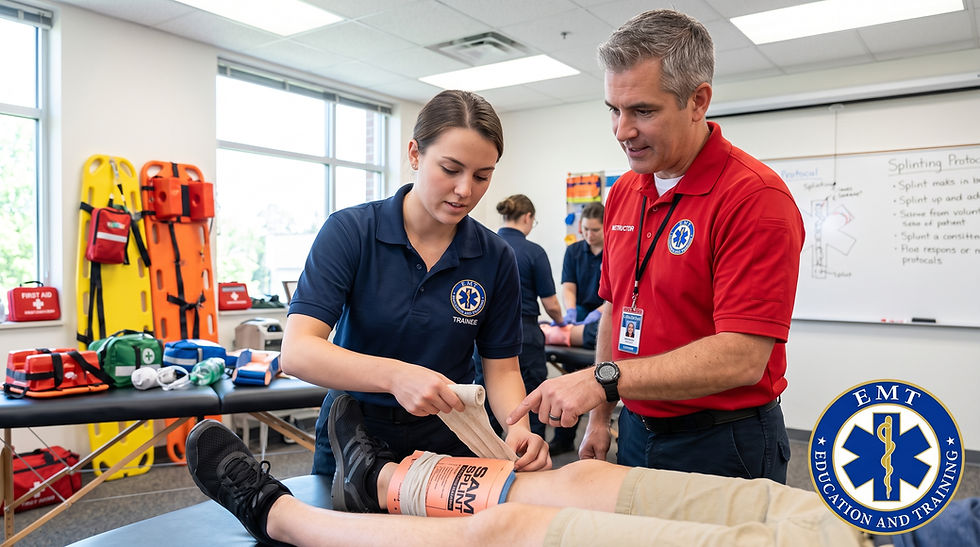


Strong communication in EMS improves teamwork, patient care, and safety, ensuring quick decisions and effective action during emergencies—truly a skill that makes a real difference, as noted by Daniel Dantas.
Clear communication is so important in emergency medical services. Great points on how it improves response and patient care. Veronica Dantas
Clear and timely communication is essential in Emergency Medical Service (ärztlicher notdienst heute), where quick coordination can truly save lives. Well explained and easy to understand.
I just found your blog and it’s very informative. Your blog keeps me up to date on everything related to Emergency Medical Service (ärztlicher notdienst heute). I'm looking forward to reading more and understanding more about this topic! Great work!